Location:
Hallam Lake
100 Puppy Smith St.
Aspen, CO 81611
Email:
Phone:
970.925.5756
Hallam Lake
100 Puppy Smith St.
Aspen, CO 81611
970.925.5756
9AM – 5PM Monday-Friday
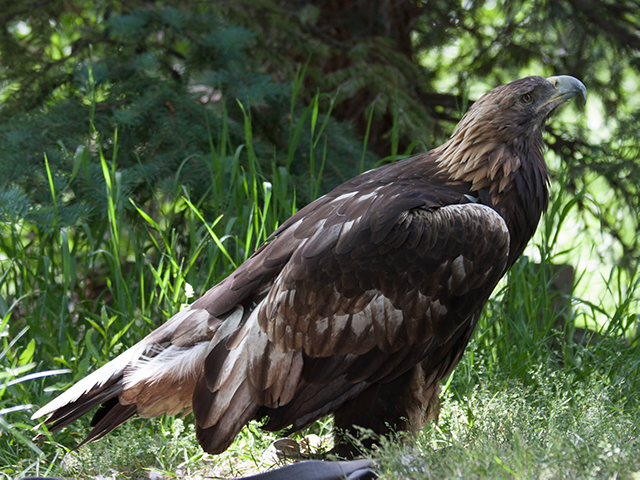
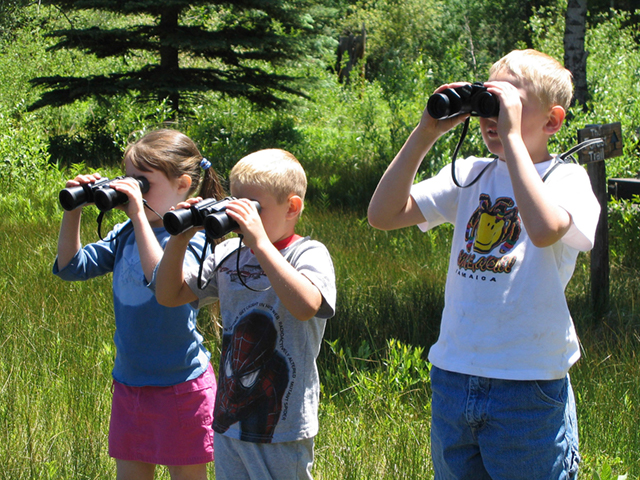
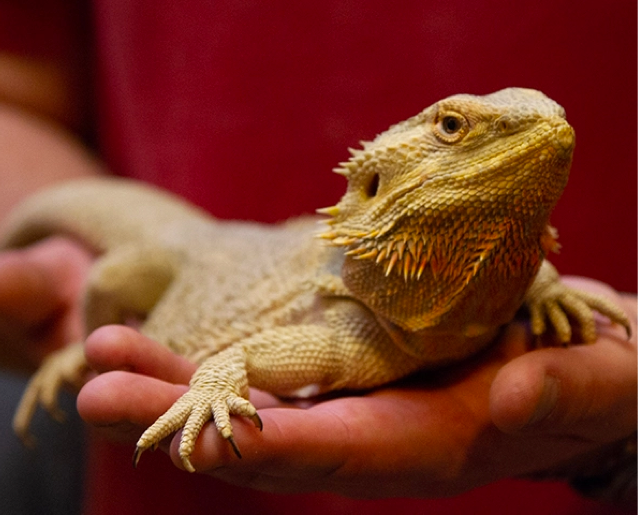
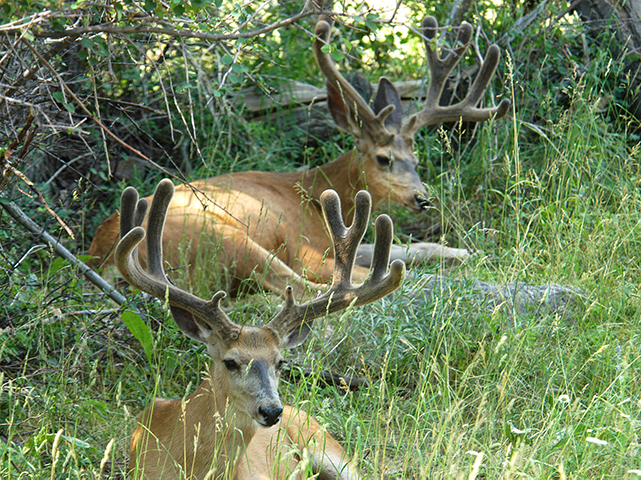
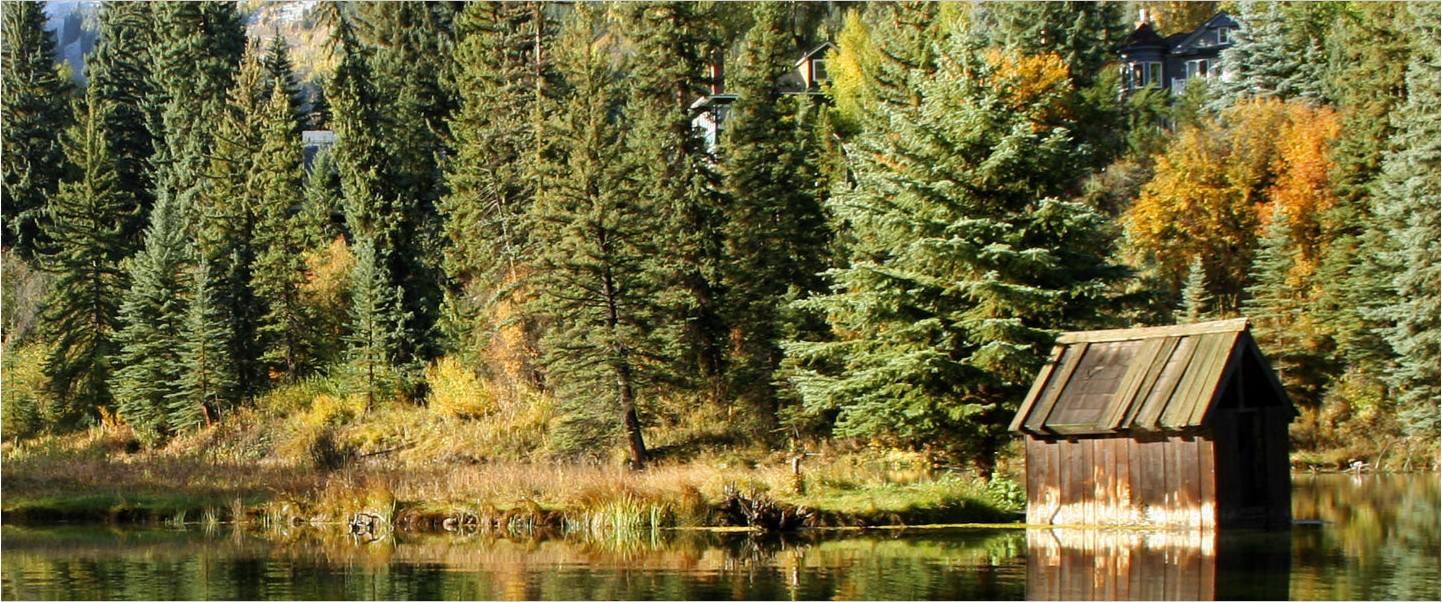
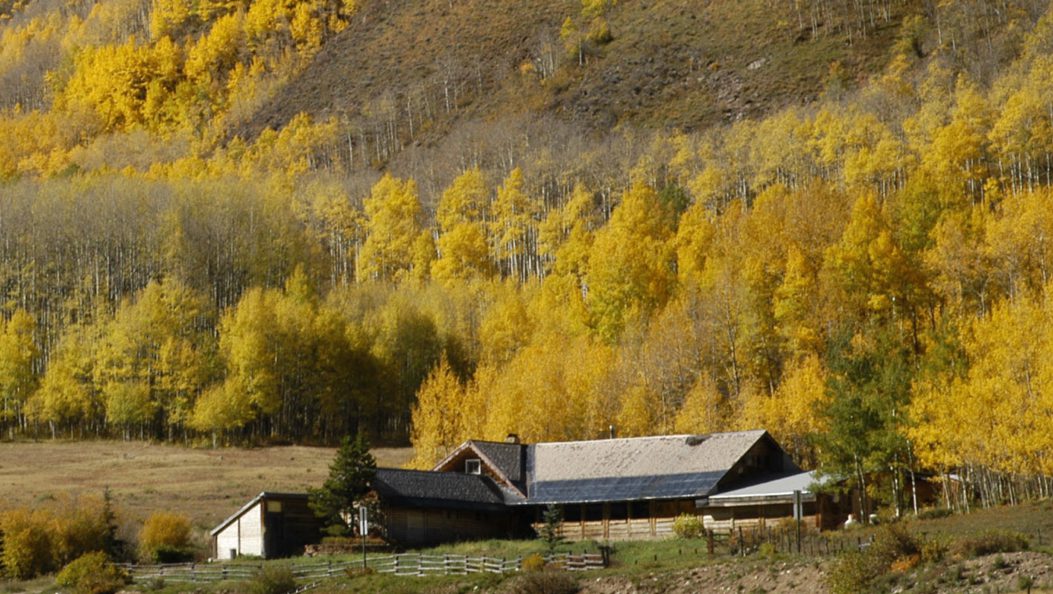
Hallam Lake, a 25-acre nature preserve and environmental learning center, was the first location of the Aspen Center for Environmental Studies. The Hallam Lake property was donated in 1968 by Elizabeth Paepcke. The preserve is open to the public year-round and provides an inspiring setting for ACES’ many educational and naturalist programs. Borrow our binoculars and search for local wildlife. Keep your eyes out for freely roaming mule deer, elk, foxes, coyotes, bear, beavers, golden eagles, hawks, songbirds, and more!
Directions: We are located at the end of Puppy Smith Street behind the Aspen Post Office. You will reach a set of stone gates. The parking lot is on the left, and then you can walk down through the gates on the trail to the Hallam Lake Nature Center, which will be at the end of the trail on the left. Please call 970-925-5756 if you are lost!

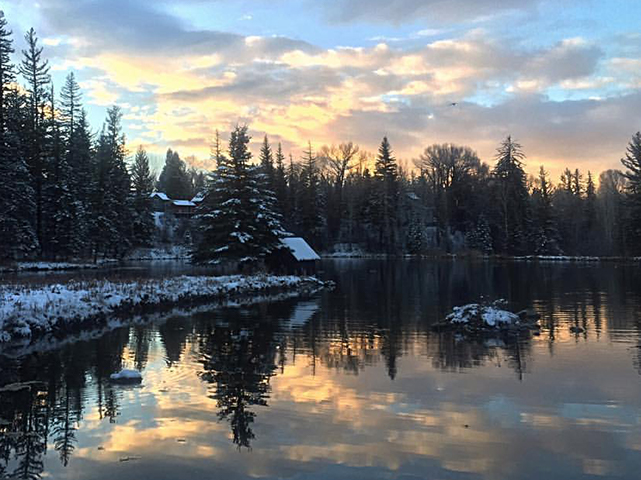
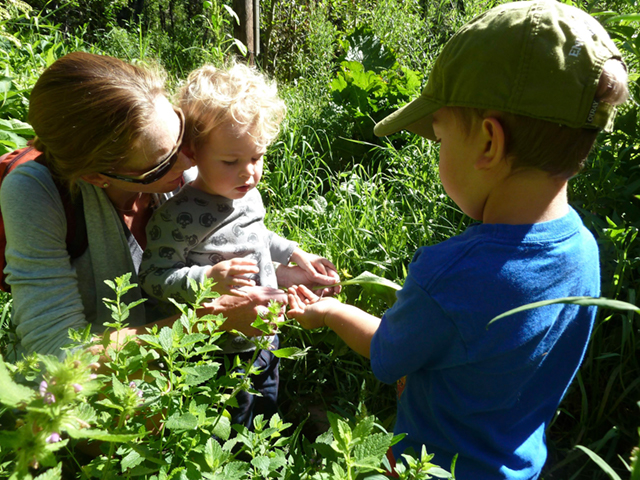
A half-mile loop nature trail is available for all visitors, and meanders in and out of wetlands and includes stops at various observation decks. Use our self-guided tour book to learn about our local landscape, or adventure on your own, experiencing aspen forest, wetlands, and meadows. An on-site Naturalist is always available to answer any questions you may have. Summertime offers a bounty of wildflowers, while winter is an excellent time to learn animal tracks!
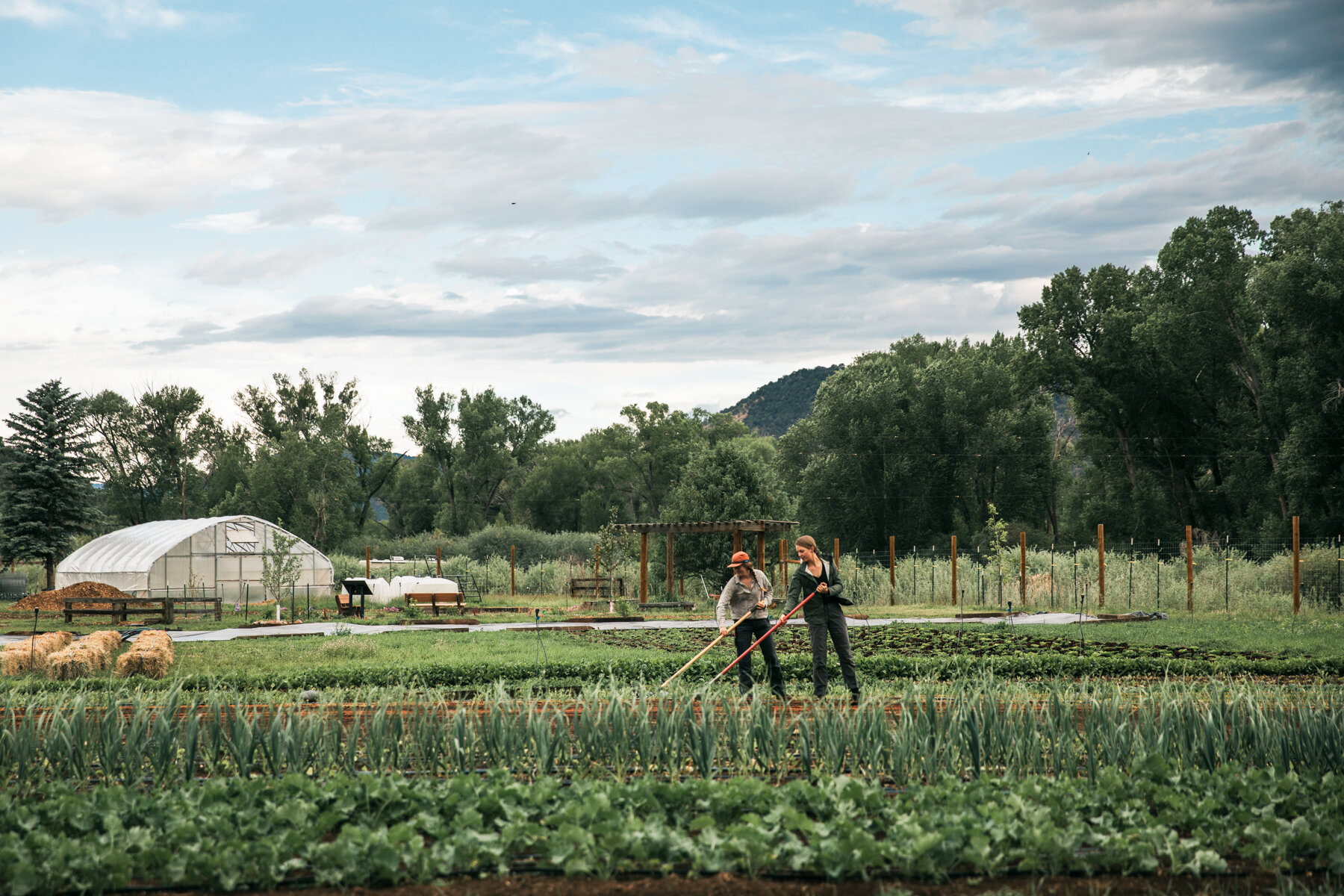
Protect our world for the future. A donation to ACES allows us to forge bold innovation in environmental science education, ecological literacy, forest health, restoration of our lands, and sustainable agriculture. We hope you will make an investment in nature today and join a community of environmental stewards!
Wednesday-Friday 9am-4pm, Saturdays 9am-1pm
Closed for renovations until spring 2023


